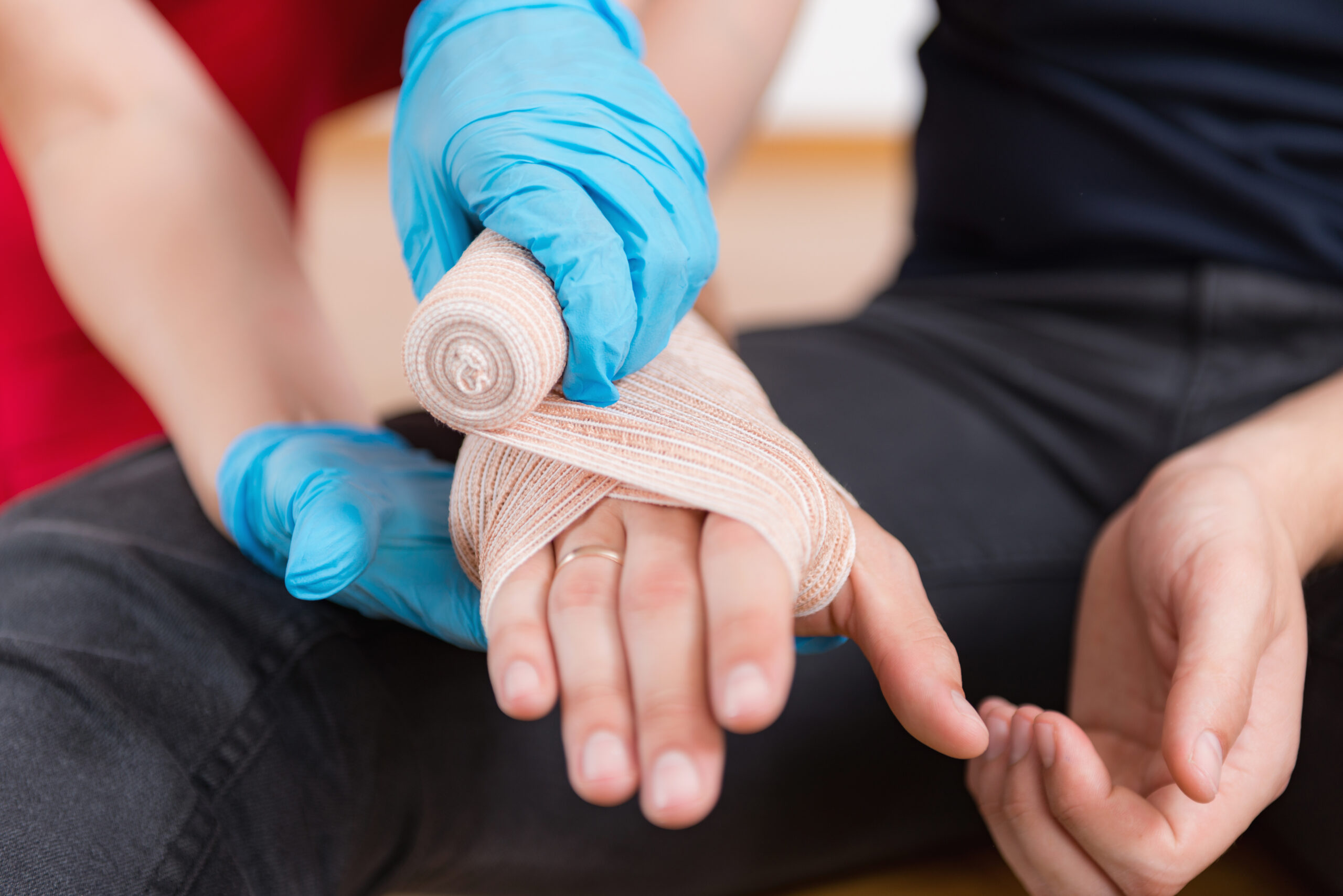
At Valantri Training Center, we offer a range of specialized training services to the public for a fee, designed to enhance safety and security awareness. Our elite programs cover various topics, including CPR, safety protocols, gun awareness, and emergency response techniques. Whether you're looking to improve your personal safety skills or gain comprehensive knowledge in lifesaving and tactical operations, Valantri Training Center provides the highest standard of training with our expert instructors.
CPR + First Aide Training
Objective:
Equip participants with essential knowledge and skills to perform CPR, enabling them to respond effectively to cardiac emergencies and save lives.
Course Duration:
8 Hours
Course Cost:
$ 100
Course Outline:
1. Introduction to CPR
- Overview of course objectives
- Importance of CPR skills
- Legal and ethical considerations
2. Basic Life Support (BLS)
- Understanding the chain of survival
- Techniques for chest compressions and rescue breathing
- Use of Automated External Defibrillator (AED)
- Hands-on practice and drills
3. CPR for Adults
- Proper techniques for chest compressions
- Rescue breathing methods
- Coordinating CPR with AED use
- Practice with adult mannequins
4. CPR for Children and Infants
- Differences in CPR techniques for children and infants
- Compression depth and rate adjustments
- Rescue breathing specific to age groups
- Hands-on practice with child and infant mannequins
5. Choking Relief Techniques
- Identifying signs of choking
- Performing the Heimlich maneuver for adults and children
- Back blows and chest thrusts for infants
- Practice and role-playing exercises
6. Scenario-Based Training
- Realistic scenarios to practice CPR skills
- Decision-making and judgment under pressure
- Simulated encounters to reinforce learned techniques
7. Communication and Documentation
- Effective communication with emergency responders
- Documenting the incident and care provided
- Legal considerations and reporting requirements
8. Review and Q&A
- Recap of key points and techniques
- Addressing participant questions and concerns
- Additional resources for continued learning
Certification:
Participants will receive a CPR certification upon successful completion of the course, acknowledging their proficiency in the skills and knowledge required for effective emergency response.
Materials Provided:
- Course handbook and reference materials
- Practice mannequins and AED trainers
- Certificate of completion
By the end of the course, participants will be equipped with the skills and confidence to perform CPR, enabling them to respond to cardiac emergencies and potentially save lives.
Basics of Concealed Carry (CCW)
Objective:
Equip participants with the fundamental knowledge and skills necessary to safely and legally carry a concealed firearm for personal protection.
Course Duration:
8 Hours
Course Cost:
$ 100
Course Outline:
1. Introduction to Concealed Carry
- Fundamental rules of firearm safety
- Safe handling, loading, and unloading of firearms
- Proper storage and transport of concealed carry firearms
2. Firearm Safety Basics
- Fundamental rules of firearm safety
- Safe handling, loading, and unloading of firearms
- Proper storage and transport of concealed carry firearms
3. Legal Aspects of CCW
- Understanding CCW laws and regulations in your jurisdiction
- Permit application process and requirements
- Use of force laws and self-defense considerations
4. Firearm Selection for Concealed Carry
- Types of firearms suitable for concealed carry
- Criteria for selecting the right firearm
- Pros and cons of different calibers and models
5. Concealment Methods and Gear
- Different types of holsters and their uses
- Clothing and accessories for effective concealment
- Drawing from concealment and re-holstering techniques
6. Marksmanship and Shooting Techniques
- Proper stance, grip, and sight alignment
- Trigger control and follow-through
- Shooting fundamentals and drills
7. Defensive Shooting Concepts
- Shooting under stress and in high-pressure situations
- Close-quarters shooting techniques
- Engaging multiple targets and moving while shooting
8. Situational Awareness and Avoidance
- Developing a defensive mindset
- Techniques for recognizing and avoiding potential threats
- Enhancing situational awareness in various environments
9. Scenario-Based Training
- Realistic scenarios to practice defensive shooting skills
- Decision-making and judgment under pressure
- Simulated encounters to reinforce learned techniques
10. Firearm Maintenance and Care
- Routine cleaning and maintenance procedures
- Troubleshooting common firearm issues
- Importance of regular practice and skill maintenance
11. Legal Aftermath of a Defensive Shooting
- Immediate actions to take after a defensive shooting incident
- Interaction with law enforcement and legal representatives
- Understanding the legal process and potential consequences
12. Review and Q&A
- Recap of key points and techniques
- Addressing participant questions and concerns
- Additional resources for continued learning
Certification:
Participants will receive a Basics of Concealed Carry (CCW) certification upon successful completion of the course, acknowledging their proficiency in the skills and knowledge required for responsible concealed carry.
Materials Provided:
- Course handbook and reference materials
- Practice targets and ammunition (if applicable)
- Certificate of completion
By the end of the course, participants will be equipped with the foundational skills and confidence to carry a concealed firearm responsibly and effectively for personal protection.
Introduction to Firearms
Objective:
Provide participants with a comprehensive introduction to firearms, covering essential knowledge and skills for safe handling, operation, and maintenance.
Course Duration:
6 Hours
Course Cost:
$ 80
Course Outline:
1. Welcome and Course Objectives
- Introduction to the course and its objectives
- Importance of firearm safety and responsible ownership
2. Firearm Safety Basics
- Fundamental rules of firearm safety
- Safe handling and storage of firearms
- Identifying and avoiding unsafe practices
3. Types of Firearms
- Overview of different types of firearms (handguns, rifles, shotguns)
- Basic components and operation of each type
- Selecting the right firearm for personal use
4. Understanding Ammunition
- Types of ammunition and their components
- Proper storage and handling of ammunition
- Identifying appropriate ammunition for different firearms
5. Firearm Operation
- Loading and unloading procedures
- Basic shooting mechanics (stance, grip, sight alignment, trigger control)
- Safe and effective use of firearm controls (safeties, magazines, slides, etc.)
6. Marksmanship Fundamentals
- Proper stance and grip techniques
- Aiming, sight alignment, and sight picture
- Trigger control and follow-through
- Practice drills for improving accuracy
7. Cleaning and Maintenance
- Importance of regular firearm maintenance
- Step-by-step cleaning procedures
- Lubrication and storage tips
8. Legal and Ethical Considerations
- Overview of firearm laws and regulations
- Understanding legal responsibilities and restrictions
- Ethical considerations and responsible firearm use
9. Introduction to Defensive Shooting
- Basic principles of defensive shooting
- Situational awareness and threat assessment
- Safe practices for home defense and personal protection
10. Practical Hands-On Training
- Live-fire practice session (if applicable)
- Dry-fire exercises and drills
- Supervised practice to reinforce learned skills
11. Scenario-Based Training
- Realistic scenarios to practice safe handling and shooting skills
- Decision-making and judgment under controlled conditions
- Simulated encounters to reinforce learned techniques
12. Review and Q&A
- Recap of key points and techniques
- Addressing participant questions and concerns
- Additional resources for continued learning
Certification:
Participants will receive an Introduction to Firearms certification upon successful completion of the course, acknowledging their proficiency in the basic skills and knowledge required for safe firearm handling and operation.
Materials Provided:
- Course handbook and reference materials
- Practice targets and ammunition (if applicable)
- Certificate of completion
By the end of the course, participants will be equipped with the foundational skills and knowledge to handle, operate, and maintain firearms safely and responsibly.
Protection in Low Visibility (PILV) Armed Training
Objective:
Equip participants with the skills and knowledge required to operate effectively and safely with firearms in low visibility conditions, enhancing personal protection and situational awareness.
Course Duration:
10 Hours
Course Cost:
$ 120
Course Outline:
1. Introduction to PILV Armed Training
- Overview of the course objectives
- Importance of training for low visibility conditions with firearms
- Common low visibility scenarios and challenges
2. Fundamentals of Low Visibility Operations
- Understanding different types of low visibility conditions (night, fog, smoke)
- Effects of low visibility on perception and decision-making
- Basic principles of operating safely in low visibility
3. Equipment and Gear for Low Visibility
- Selection of appropriate gear (flashlights, night vision devices, thermal imaging)
- Proper use and maintenance of low visibility equipment
- Firearm selection and modification for low visibility operations
- Clothing and accessories for enhanced visibility and safety
4. Situational Awareness in Low Visibility
- Techniques for maintaining situational awareness
- Identifying and assessing potential threats
- Enhancing auditory and tactile senses to compensate for reduced visibility
5. Movement and Navigation Techniques
- Safe movement strategies in low visibility conditions
- Use of cover and concealment
- Navigational aids and methods for maintaining orientation
6. Defensive Tactics in Low Visibility
- Adjusting defensive techniques for low visibility environments
- Close-quarters combat skills in low visibility
- Engaging targets with limited visibility
7. Firearm Handling and Marksmanship
- Adjusting shooting techniques for low visibility
- Aiming and firing with reduced visual cues
- Training drills for improving low visibility marksmanship
8. Use of Flashlights and Illumination Tools
- Tactical use of handheld and weapon-mounted flashlights
- Techniques for minimizing visibility to adversaries
- Coordinating illumination with movement and engagement
9. Scenario-Based Training
- Realistic scenarios to practice skills in low visibility
- Decision-making and judgment under reduced visibility
- Simulated encounters to reinforce learned techniques
10. Communication in Low Visibility
- Effective verbal and non-verbal communication techniques
- Coordinating with team members and responders
- Use of signaling devices and methods
11. Mental Preparedness and Stress Management
- Developing a defensive mindset for low visibility conditions
- Techniques for managing stress and fear
- Psychological preparation for operating in challenging environments
12. Legal and Ethical Considerations
- Understanding the legal implications of using firearms in low visibility
- Ethical considerations and responsible firearm use
- Post-incident procedures and interaction with law enforcement
13. Review and Q&A
- Recap of key points and techniques
- Addressing participant questions and concerns
- Additional resources for continued learning
Certification:
Participants will receive a Protection in Low Visibility (PILV) Armed certification upon successful completion of the course, acknowledging their proficiency in operating safely and effectively with firearms in low visibility conditions.
Materials Provided:
- Course handbook and reference materials
- Practice targets and equipment (if applicable)
- Certificate of completion
By the end of the course, participants will be equipped with the skills and confidence to navigate and operate safely with firearms in low visibility conditions, ensuring personal protection and enhanced situational awareness.
Protection in Low Visibility (PILV) Training
Objective:
Equip participants with the skills and knowledge required to operate effectively and safely in low visibility conditions, enhancing personal protection and situational awareness.
Course Duration:
8 Hours
Course Cost:
$ 100
Course Outline:
1. Introduction to PILV
- Overview of the course objectives
- Importance of training for low visibility conditions
- Common low visibility scenarios and challenges
2. Fundamentals of Low Visibility Operations
- Understanding different types of low visibility conditions (night, fog, smoke)
- Effects of low visibility on perception and decision-making
- Basic principles of operating safely in low visibility
3. Equipment and Gear for Low Visibility
- Selection of appropriate gear (flashlights, night vision devices, thermal imaging)
- Proper use and maintenance of low visibility equipment
- Clothing and accessories for enhanced visibility and safety
4. Situational Awareness in Low Visibility
- Techniques for maintaining situational awareness
- Identifying and assessing potential threats
- Enhancing auditory and tactile senses to compensate for reduced visibility
5. Movement and Navigation Techniques
- Safe movement strategies in low visibility conditions
- Use of cover and concealment
- Navigational aids and methods for maintaining orientation
6. Defensive Tactics in Low Visibility
- Adjusting defensive techniques for low visibility environments
- Close-quarters combat skills in low visibility
- Engaging targets with limited visibility
7. Use of Flashlights and Illumination Tools
- Tactical use of handheld and weapon-mounted flashlights
- Techniques for minimizing visibility to adversaries
- Coordinating illumination with movement and engagement
8. Firearm Handling and Marksmanship
- Adjusting shooting techniques for low visibility
- Aiming and firing with reduced visual cues
- Training drills for improving low visibility marksmanship
9. Scenario-Based Training
- Realistic scenarios to practice skills in low visibility
- Decision-making and judgment under reduced visibility
- Simulated encounters to reinforce learned techniques
10. Communication in Low Visibility
- Effective verbal and non-verbal communication techniques
- Coordinating with team members and responders
- Use of signaling devices and methods
11. Mental Preparedness and Stress Management
- Developing a defensive mindset for low visibility conditions
- Techniques for managing stress and fear
- Psychological preparation for operating in challenging environments
12. Review and Q&A
- Recap of key points and techniques
- Addressing participant questions and concerns
- Additional resources for continued learning
Certification:
Participants will receive a Protection in Low Visibility (PILV) certification upon successful completion of the course, acknowledging their proficiency in operating safely and effectively in low visibility conditions.
Materials Provided:
- Course handbook and reference materials
- Practice targets and equipment (if applicable)
- Certificate of completion
By the end of the course, participants will be equipped with the skills and confidence to navigate and operate safely in low visibility conditions, ensuring personal protection and enhanced situational awareness.
Concealed Carry Weapon (CCW) Training
Objective:
Provide participants with comprehensive knowledge and practical skills necessary to safely and legally carry a concealed firearm for personal protection.
Course Duration:
8 Hours
Course Outline:
1. Introduction to CCW
- Overview of the course objectives
- Importance of responsible firearm ownership
- Legal and ethical considerations
2. Firearm Safety Basics
- Fundamental rules of firearm safety
- Safe handling, loading, and unloading of firearms
- Proper storage and transport of firearms
3. Legal Aspects of CCW
- Understanding CCW laws and regulations in your jurisdiction
- Permit application process and requirements
- Use of force laws and self-defense considerations
4. Firearm Fundamentals
- Types of firearms suitable for concealed carry
- Basic firearm components and operation
- Selecting the right firearm for personal use
5. Marksmanship and Shooting Techniques
- Proper stance, grip, and sight alignment
- Trigger control and follow-through
- Shooting fundamentals and drills
6. Concealment Methods and Gear
- Different types of holsters and their uses
- Clothing and accessories for effective concealment
- Drawing from concealment and re-holstering techniques
7. Defensive Shooting Concepts
- Shooting under stress and in high-pressure situations
- Close-quarters shooting techniques
- Engaging multiple targets and moving while shooting
8. Scenario-Based Training
- Realistic scenarios to practice defensive shooting skills
- Decision-making and judgment under pressure
- Simulated encounters to reinforce learned techniques
9. Firearm Maintenance and Care
- Routine cleaning and maintenance procedures
- Troubleshooting common firearm issues
- Importance of regular practice and skill maintenance
10. Mindset and Situational Awareness
- Developing a defensive mindset
- Enhancing situational awareness and threat assessment
- De-escalation techniques and avoiding conflicts
11. Legal Aftermath of a Defensive Shooting
- Immediate actions to take after a defensive shooting incident
- Interaction with law enforcement and legal representatives
- Understanding the legal process and potential consequences
12. Review and Q&A
- Recap of key points and techniques
- Addressing participant questions and concerns
- Additional resources for continued learning
Certification:
Participants will receive a CCW Training certification upon successful completion of the course, acknowledging their proficiency in the skills and knowledge required for responsible concealed carry.
Materials Provided:
- Course handbook and reference materials
- Practice targets and ammunition (if applicable)
- Certificate of completion
By the end of the course, participants will be equipped with the necessary skills, knowledge, and confidence to carry a concealed firearm responsibly and effectively for personal protection.
Stop the Bleed
Objective:
Equip participants with the knowledge and skills to effectively control bleeding in emergency situations, potentially saving lives before professional medical help arrives.
Course Duration:
4 Hours
Course Cost:
$ 40
Course Outline:
1. Introduction to Bleeding Control
- Importance of immediate action
- Overview of the course objectives
- Understanding different types of bleeding (arterial, venous, capillary)
2. Safety and Scene Assessment
- Ensuring personal safety and the safety of others
- Assessing the scene for potential hazards
- Prioritizing actions based on the situation
3. Basics of Bleeding Control
- Identifying life-threatening bleeding
- Basic principles of bleeding control
- The “ABC” approach: Alert, Bleeding, Compression
4. Applying Pressure
- Direct pressure techniques
- Proper hand placement and pressure application
- Use of gauze and dressings to control bleeding
5. Wound Packing
- When and how to pack a wound
- Materials and methods for effective wound packing
- Hands-on practice with simulated wounds
6. Tourniquet Application
- When to use a tourniquet
- Types of tourniquets and their application
- Proper placement and tightening
- Practice scenarios using tourniquets
7. Improvised Bleeding Control
- Using available materials to control bleeding
- Creating improvised tourniquets and dressings
- Real-life examples and practical tips
8. Special Situations
- Controlling bleeding in challenging locations (e.g., neck, groin)
- Managing multiple casualties
- Working in low-light or confined environments
9. Post-Bleeding Control Care
- Monitoring the victim until help arrives
- Recognizing signs of shock and how to manage them
- Communicating effectively with emergency responders
10. Scenario-Based Practice
- Hands-on practice with realistic scenarios
- Applying learned techniques in various simulated emergency situations
- Peer and instructor feedback to improve skills
11. Review and Q&A
- Recap of key points and techniques
- Addressing participant questions and concerns
- Additional resources for continued learning
Certification:
Participants will receive a "Stop the Bleed" certification upon successful completion of the course, acknowledging their proficiency in bleeding control techniques.
Materials Provided:
- Course handbook and reference materials
- Practice gauze, dressings, and tourniquets
- Certificate of completion
By the end of the course, participants will be confident and capable of taking immediate action to control bleeding, potentially saving lives in critical situations.